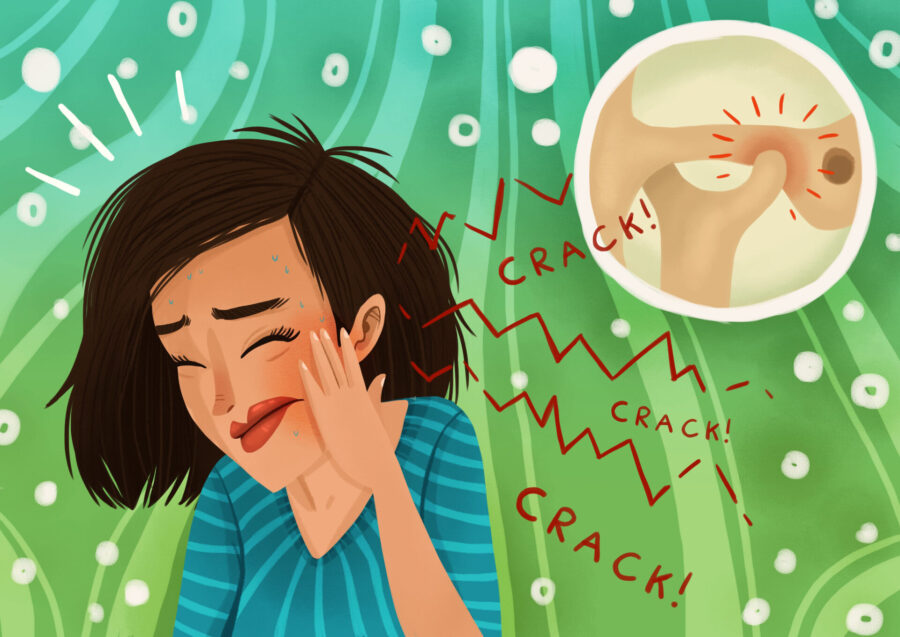
Common Symptoms of TMJ Disorder
January 21, 2026 9:00 amJaw discomfort isn’t always easy to pin down. Maybe it’s a click when you chew, a headache near your temples, or a sore jaw that seems to come out of nowhere. But, for many people, these symptoms trace back to the temporomandibular joint — the small hinge near your ears that does a lot more than you might think.
At Dental Salon in Cedar Park, TX, Dr. Ana Torres often hears patients describe their symptoms in a roundabout way, unsure if it’s dental, muscular, or something else entirely. That’s because TMJ disorder can show up in subtle, surprising ways. Knowing what to watch for can help you recognize when it’s time to get it checked out.
Jaw Pain or Tenderness
This one’s easy to brush off — maybe you’ve been chewing gum more than usual, or your jaw just feels a little sore at the end of the day. But if jaw pain keeps coming back, or if it flares up when you eat or talk for long periods, it could point to an issue with the joint itself.
Clicking, Popping, or Grinding Sounds
That little noise your jaw makes when you open wide? It’s not always a problem — but it is worth noting. Clicking or popping when you chew, yawn, or speak could be a sign the joint isn’t moving smoothly. These sounds can be harmless, but if they’re accompanied by pain or limited movement, it’s time for a closer look.
Jaw That Feels Stuck or Locks Open/Closed
A jaw that won’t open all the way, or one that “catches” mid-movement, isn’t just frustrating — it’s a hallmark sign of TMJ disorder. In some cases, the joint may even lock temporarily. While this doesn’t always hurt, it can definitely make daily routines more difficult and is a red flag worth checking out.
Headaches and Pain Near the Temples or Ears
Frequent headaches, especially those that settle around the temples, can sometimes trace back to muscle tension from the jaw. Because the temporomandibular joint sits so close to your ears and connects to surrounding muscle groups, pain here often gets misattributed to stress or eye strain — but jaw alignment could be the real culprit.
Ear Sensations Without an Infection
Earaches, a sense of fullness, or even ringing in the ears can show up when TMJ issues are at play. Since the joint is located right next to the ear canal, inflammation or dysfunction in the TMJ can create sensations that mimic ear trouble — even when there’s no infection in sight.
Pain When Chewing or Biting Down
Food that once felt easy to eat — like a sandwich or a crunchy snack — may start causing pain or discomfort. You might notice uneven pressure when you bite or a twinge on one side more than the other. This can be a sign that your jaw is compensating for a misaligned bite or that the joint is under extra strain.
Facial or Neck Muscle Tightness
TMJ issues aren’t always limited to the joint itself. The muscles that support the jaw stretch across your face, neck, and shoulders — and when the jaw isn’t moving right, those muscles often pick up the slack. That can lead to tension headaches, neck soreness, or a feeling of tightness across the cheeks or jawline.
Teeth Clenching or Grinding (Bruxism)
Many people clench or grind their teeth without even realizing it — especially during sleep. Over time, this pressure wears down enamel, strains the jaw, and worsens TMJ symptoms. If you’re waking up with sore jaws or have been told you grind your teeth, it’s worth asking whether it’s linked to a bigger pattern of joint dysfunction. A custom nightguard can help mitigate some of the effects of bruxism.
When to See Dr. Ana Torres at Dental Salon
Not every ache means something serious — but when jaw discomfort starts to affect your routine, it’s time to take a closer look. Dr. Torres offers comprehensive TMJ evaluations at Dental Salon to pinpoint what’s going on and how to best manage it.
Your visit might include:
A discussion of your symptoms and when they show up
A gentle exam of your jaw movement, bite, and muscles
Guidance on next steps — from monitoring symptoms to exploring nightguards, physical therapy, or bite adjustments
Most TMJ cases can be managed conservatively, especially when caught early. The key is recognizing when something’s off and getting ahead of it.
TMJ Therapy at Dental Salon in Cedar Park
Living with jaw pain, clicking, or unexplained headaches doesn’t have to be your norm. TMJ symptoms often start small, but they can grow into bigger disruptions over time if left untreated. If any of this sounds familiar, it’s worth a conversation — not to sound the alarm, but to get answers and a plan that fits your needs.
Call Dental Salon in Cedar Park today to schedule a TMJ consultation with Dr. Ana Torres. The goal isn’t just to treat the symptoms — it’s to help your jaw move, function, and feel better every day.
Image from Authority Dental under CC 2.0
This post was written by Dental Salon
